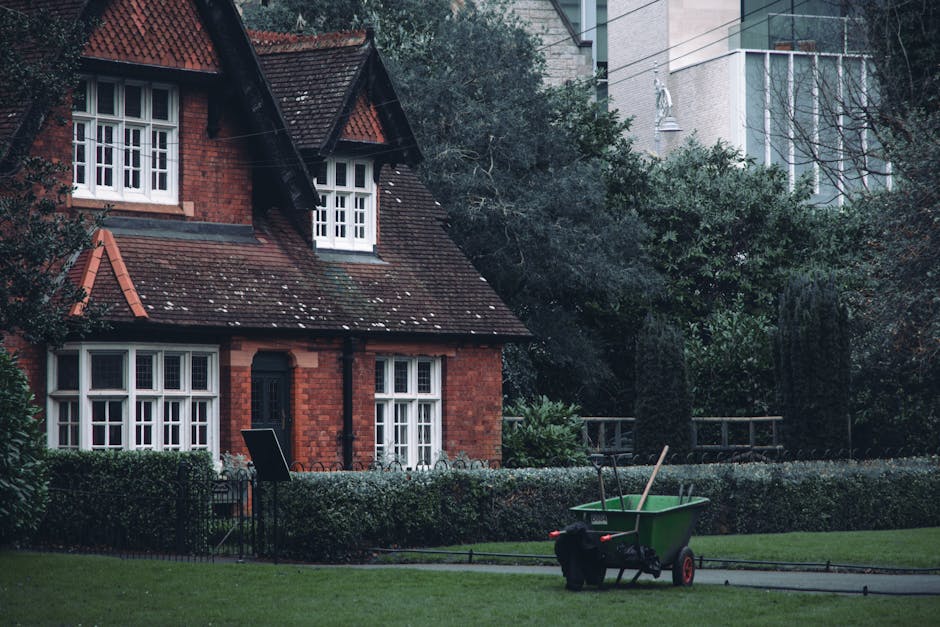
Gardeners serving Fortess Road and nearby streets NW5: a practical local guide
If you live on Fortess Road or one of the nearby streets in NW5, you already know that a garden can be a blessing and a bit of a juggling act. Space may be tight, access can be awkward, and one week of rain can turn a tidy outdoor area into a very enthusiastic patch of green. That is where Gardeners serving Fortess Road and nearby streets NW5 become genuinely useful: not just for cutting grass or trimming hedges, but for keeping a garden safe, manageable, and pleasant to use all year round.
This guide explains what local gardening support typically covers, how the process usually works, what to expect, and how to choose the right help for your space. You will also find practical tips, a comparison table, a checklist, and answers to the questions people actually ask when they are trying to get a garden back under control. No fluff. Just the useful bits.
Table of Contents
- Why Gardeners serving Fortess Road and nearby streets NW5 Matters
- How Gardeners serving Fortess Road and nearby streets NW5 Works
- Key Benefits and Practical Advantages
- Who This Is For and When It Makes Sense
- Step-by-Step Guidance
- Expert Tips for Better Results
- Common Mistakes to Avoid
- Tools, Resources and Recommendations
- Law, Compliance, Standards, or Best Practice
- Options, Methods, or Comparison Table
- Case Study or Real-World Example
- Practical Checklist
- Conclusion
- Frequently Asked Questions
Why Gardeners serving Fortess Road and nearby streets NW5 Matters
Local gardening is not only about convenience. In an area like NW5, properties can vary a lot: compact rear gardens, front patches that face constant foot traffic, shared access pathways, small courtyards, and taller boundary planting that quickly gets out of hand. A gardener who understands these conditions can work more efficiently and, to be fair, make much better decisions about what is worth keeping and what needs a reset.
Fortess Road and the surrounding streets also tend to present practical constraints that are easy to underestimate. Access may be through a side return. Waste removal may need planning. Neighbours are close by, so timing and tidiness matter. The sound of a strimmer at the wrong time on a quiet morning can travel further than people expect. A thoughtful local service knows how to work around that without making a fuss.
There is also the simple reality that gardens decline faster than most people think. One missed month of mowing can lead to thick growth, weeds at the edges, and a bed that looks more like a patchwork than a planting area. Regular care avoids the big rescue job later. That is especially helpful if you want a garden that feels usable rather than just "technically outdoors".
If you want a broader view of the kinds of work a local team can cover, the services overview is a sensible starting point.
Practical takeaway: good local gardening service in NW5 should save you time, reduce stress, and keep the space looking intentional rather than endlessly overgrown.
How Gardeners serving Fortess Road and nearby streets NW5 Works
Most people imagine gardening as a quick visit with a mower. Sometimes it is. More often, it is a mix of assessment, prioritisation, and steady physical work. A good gardener will usually begin by looking at the condition of the space and deciding what needs attention first: mowing, hedge trimming, clearance, pruning, weeding, shaping, or a longer-term tidy-up.
For local homes, the process often starts with a conversation about the garden's purpose. Do you want a neat, low-maintenance space? A child-friendly lawn? A better-looking front garden? A safe and cleared yard after months of neglect? The answer changes the plan. There is no one-size-fits-all approach, which is a relief if your garden has a few odd corners or a stubborn shrub that seems determined to win.
From there, work is usually divided into manageable tasks. Lawn care might involve mowing, edge finishing, and clearing clippings. Shrubs and hedges may need careful shaping rather than heavy cutting. If the garden has been left for a while, a clearance phase may come first so that the real structure of the space is visible again. In more ambitious cases, landscaping or landscape gardening can reshape the layout entirely.
Where needed, services like lawn mowing, hedge trimming, and garden clearance can be combined into a single visit or planned as separate stages.
In practice, the best jobs tend to be the ones where the customer and gardener agree on the end result before the first cut is made. That sounds obvious, but it saves a lot of back-and-forth later.
Key Benefits and Practical Advantages
There are a few obvious benefits, and a few that people only notice after the work is done.
- Better use of outdoor space: small gardens feel larger when they are tidy, shaped, and easy to move through.
- Less ongoing stress: regular maintenance stops the "we really should sort the garden" thought from hanging around in your head every weekend.
- Improved kerb appeal: front gardens, even tiny ones, can change the impression of a whole property.
- Healthier plants: routine pruning and weeding reduce competition and help planting settle properly.
- Safer paths and access: overgrowth, slippery surfaces, and low-hanging branches can create avoidable hazards.
- Smarter long-term spending: light maintenance is usually easier and cheaper than repeated rescue work.
There is also a subtle quality-of-life benefit. A tidy garden gives you the feeling that the house has a bit more breathing room. Open the back door on a fresh morning and it feels different. Calmer, somehow.
If your garden is already in reasonable shape, ongoing garden maintenance is often the most efficient route. If the space has become heavily overgrown, a one-off clearance followed by scheduled care is usually the smarter sequence.
Who This Is For and When It Makes Sense
Local gardening services make sense for a surprisingly wide range of people.
You may benefit if you are a homeowner who wants the garden to stay neat without spending every free Saturday on it. You may also be a landlord who needs the outdoor space kept presentable between tenancies. Or perhaps you are a tenant with permission to improve the space, but not the time or equipment to do it well. Let's face it, not everyone has a mower in the boot and a deep love of edging borders.
This kind of service is especially useful if:
- the garden has become too much to handle alone;
- hedges are blocking light or access;
- the lawn has become patchy or uneven;
- weeds are taking over paths, beds, or borders;
- you are preparing a property for sale or let;
- you want the garden redesigned rather than just tidied.
It can also be a good fit for people who have time constraints, mobility limitations, or just enough on their plate already. A good local gardener should make life easier, not add another layer of admin.
If you are trying to decide whether a redesign is worth it, landscape gardening and broader landscaping options may be more suitable than routine upkeep alone.
Step-by-Step Guidance
- Walk the garden properly. Notice what is overgrown, what is healthy, what feels blocked, and what is simply untidy. A quick glance is not enough.
- Decide the priority. Is the main issue the lawn, hedges, clutter, privacy, drainage, or access? Start there.
- Choose the level of service. A simple tidy-up is very different from a full clearance or a design-led refresh.
- Remove obvious waste and hazards. Broken pots, loose branches, old furniture, and hidden debris can slow everything down.
- Deal with structural growth first. Hedging, larger shrubs, and tree-related work can shape the whole space before finer detailing begins.
- Move to the surface layers. Mow, edge, weed, sweep, and rake. This is where the garden starts looking finished.
- Check access and disposal. In inner-London streets, waste handling matters. Good planning avoids piles sitting around longer than necessary.
- Set a maintenance rhythm. If the garden looks good after the first visit, protect that progress with a realistic schedule.
A lot of people skip step eight. Then, a month later, they are back where they started. Bit annoying, really.
If trees are part of the picture, or a branch is creating shade and crowding the garden, tree lopping and removal may need to be considered carefully and, where appropriate, carried out by someone who knows how to manage it safely.
Expert Tips for Better Results
Here is the part that tends to save the most time and disappointment.
1. Be clear about the end goal. "Tidy" can mean a dozen different things. For one person, it means a clipped lawn and neat edges. For another, it means reclaiming the whole back area after a year of neglect. Say which one you mean.
2. Separate maintenance from improvement. Regular cutting and weeding are not the same as layout changes, raised beds, or new surface installation. When those get mixed together, jobs can drift.
3. Ask for a maintenance-first plan if budget matters. A modest initial tidy can often unlock the garden properly, then follow-up visits keep it that way. That sequence usually feels easier on the wallet as well.
4. Don't cut everything hard just because it looks wild. Some shrubs respond badly to aggressive pruning. A lighter hand can preserve shape and health. That's one of those "less dramatic, better result" moments.
5. Use seasonal timing sensibly. Spring and early summer are busy growth periods, while autumn often brings more leaf clearance and tidying. Winter work can still be valuable, but the priorities shift.
6. Keep an eye on how the garden is used. A family garden with pets and children has different priorities from a front courtyard that mainly needs to look smart from the street.
For people who want a neater garden without overcomplicating things, ongoing support from garden maintenance is often the best investment of time and money.
Common Mistakes to Avoid
Some problems show up again and again.
- Waiting too long. Once everything is tangled, the first visit becomes harder, slower, and more expensive.
- Choosing work by price alone. Cheapest is not always cheapest if the job has to be redone.
- Ignoring access issues. Narrow side passages, locked gates, and shared entrances can affect how long the work takes.
- Over-pruning hedges and shrubs. A bad trim can leave a garden looking bare rather than neat.
- Forgetting about waste. Clippings, branches, and clearance debris need a proper plan.
- Skipping a follow-up schedule. One-off jobs are useful, but gardens do not politely stay fixed on their own.
One small but important mistake is assuming every garden problem is a mowing problem. It usually is not. Sometimes the real issue is poor structure, exhausted soil, or a boundary hedge that needs reshaping. If you only cut the visible growth and ignore the rest, the same mess comes back, just quicker.
Tools, Resources and Recommendations
You do not need to know every tool in a professional kit, but it helps to understand what tends to be used and why.
| Task | Typical approach | What to watch for |
|---|---|---|
| Lawn care | Mowing, edging, and clearing clippings | Uneven ground, damp grass, hidden debris |
| Hedge trimming | Careful shaping and reduction | Bird nesting season, overcutting, poor symmetry |
| Garden clearance | Removal of waste, brambles, clutter, and overgrowth | Access, disposal, hidden rubbish, roots |
| Tree-related work | Pruning, reduction, or removal where appropriate | Safety, stability, falling debris, permissions |
| Design or layout work | Planning beds, paths, surfaces, and planting areas | Drainage, use of space, maintenance burden |
For a wider understanding of the service range, it can help to look at the provider's services overview alongside the specific task pages. That gives you a clearer sense of whether you need a tidy-up, a longer clearance, or a more structural transformation.
If your garden generates a lot of waste, ask how clippings and green material are handled. Some people are happy to compost small quantities themselves; others want everything removed in one go. Different gardens, different realities.
Law, Compliance, Standards, or Best Practice
In a local garden setting, compliance is usually about practical safety, responsible work, and being considerate rather than formal paperwork for the sake of it. That said, there are a few standards and norms worth keeping in mind.
For tree and hedge work, it is sensible to avoid disturbing nesting birds or damaging protected planting. Timing matters, and a careful gardener will usually work with that in mind. If there is any uncertainty around large trees, unstable branches, or access near structures, caution is the right call. Not every job should be rushed. Some simply need proper judgement.
Waste should be handled responsibly, and a tidy site at the end of the visit is part of good practice. In a dense neighbourhood, this matters more than people sometimes realise. Loose debris, blocked paths, or leftover cuttings can create nuisance quickly.
Health and safety is not a box-ticking exercise. It is about sensible behaviour: using the right tools, wearing appropriate protection, keeping bystanders away from active work areas, and not taking shortcuts where there is a real risk. If a company explains its approach clearly, that is a good sign. Their health and safety policy and insurance and safety information should help reassure you that these basics are taken seriously.
There is also a customer-service side to best practice. If a gardener gives you a clear scope, realistic timing, and transparent expectations, that is usually worth more than a flashy promise.
Options, Methods, or Comparison Table
People often wonder whether they need a one-off visit, scheduled maintenance, or a bigger landscaping project. The answer depends on the state of the garden and how you want to use it.
| Option | Best for | Pros | Limits |
|---|---|---|---|
| One-off tidy-up | Small mess, seasonal reset, pre-event preparation | Fast, simple, good for immediate improvement | Won't hold for long without upkeep |
| Regular maintenance | Gardens that already have a basic structure | Keeps the space manageable and consistent | Less suitable if the garden is badly neglected |
| Garden clearance | Overgrown, cluttered, or abandoned spaces | Creates a clean slate | Can feel like a bigger job and may need follow-up care |
| Landscaping or redesign | Spaces that need a new layout or function | Improves long-term usability and appearance | More planning, usually more time, and a larger commitment |
If you are unsure, a practical rule is this: if the garden mainly needs routine attention, choose maintenance. If it is difficult to walk through, choose clearance. If the layout itself is the problem, look at landscaping. Simple enough, once you separate the issues.
Case Study or Real-World Example
Consider a typical NW5 garden behind a terraced property near Fortess Road. The lawn is long, the hedge has leaned outward, and the back corner has become a collection point for prunings, broken pots, and one chair that, frankly, has retired from active duty. The owner does not need a full redesign yet, but the space is no longer easy to use.
The sensible approach would be to start with clearance, then restore shape through hedge trimming and lawn mowing, and finally set a maintenance plan so the space stays under control. That sequence matters. If you cut the grass first and ignore the clutter, the garden still feels messy. If you remove clutter but never define the edges, it still looks unfinished.
In a case like this, the owner usually notices three things once the work is done: the garden looks bigger, the light improves, and using the space feels easier. Nothing dramatic. Just a proper reset. And sometimes that is all a garden needs.
For a deeper tidy-up, combining garden clearance with lawn mowing and hedge trimming is often the most efficient route. If the area is beyond a simple reset, then a more considered landscaping plan may be the better next step.
Practical Checklist
Use this checklist before booking or starting work.
- Walk the garden and note the main problems.
- Decide whether you need maintenance, clearance, or redesign.
- Check for access issues such as locked gates, narrow paths, or shared entrances.
- Identify any bulky waste, broken items, or hidden debris.
- Think about whether hedges, shrubs, or trees need attention first.
- Consider how often the garden will realistically be maintained after the first visit.
- Ask what is included in the quote and what is not.
- Confirm how waste and green material will be handled.
- Check that the work schedule suits neighbours and household routines.
- Keep a simple note of the look you want, even if it is just a few phone photos.
Quick reminder: the more clearly you define the outcome, the smoother the job tends to go. A little preparation goes a long way.
If cost is part of the decision, a good next step is to review pricing and quotes so you can compare scope rather than guessing from a headline number.
Get a free quote today and see how much you can save.
Conclusion
Gardeners serving Fortess Road and nearby streets NW5 do more than keep plants under control. They help people reclaim outdoor space, reduce the burden of maintenance, and turn awkward or overgrown gardens into something genuinely usable. For many homes, that means a calmer routine and a better-looking property. For others, it is the first step toward a more ambitious transformation.
The best results usually come from clear priorities, realistic planning, and a gardener who understands the local conditions around NW5. Whether you need mowing, hedge care, clearance, or a fresh layout, the key is matching the work to the actual problem rather than guessing.
If you are still weighing up your options, take a look at the relevant service pages, think through the checklist, and choose the approach that makes your life easier next month as well as today. That is the sweet spot, really.
Frequently Asked Questions
What do gardeners serving Fortess Road and nearby streets NW5 usually handle?
They commonly help with lawn mowing, hedge trimming, garden clearance, general maintenance, and in some cases landscaping or more involved garden improvements. The exact mix depends on the garden's condition and your goals.
Is a one-off garden tidy-up enough?
Sometimes, yes. If the garden is basically healthy but just untidy, a one-off visit can make a big difference. If growth is ongoing or the space becomes messy quickly, regular maintenance usually works better.
How often should a small London garden be maintained?
That depends on planting, sunlight, and how much use the garden gets. Many small gardens benefit from regular attention through the growing season, with lighter work in colder months. There is no single perfect schedule.
Do I need garden clearance before maintenance?
If the space is heavily overgrown or cluttered, clearance first is usually the smarter choice. Once the area is manageable again, ongoing maintenance is much easier and more effective.
What is the difference between landscaping and garden maintenance?
Maintenance keeps an existing garden tidy and healthy. Landscaping changes the structure, layout, or overall design. If the space already works but looks tired, maintenance may be enough. If the layout itself is the problem, landscaping is often better.
Can gardeners help with hedges that are blocking light or access?
Yes, hedge trimming is a common local request. A careful trim can improve light, reduce encroachment, and make paths or entrances easier to use. Heavy reductions should be planned properly rather than rushed.
How do I prepare my garden before the visit?
Remove personal items, unlock access points, and point out anything fragile or unusual. If there is hidden waste or awkward access, mention it early. It saves time and avoids surprises.
What if my garden has tree issues as well?
If branches are overhanging, unstable, or affecting the garden layout, tree-related work may be needed alongside other tasks. Depending on the situation, tree lopping and removal may be the right next step, but it should be assessed carefully.
Will the work create a lot of mess?
Some mess is normal during active gardening, especially with clearance or pruning. A professional approach should end with the site tidy and usable, not left half-finished. That part really matters.
How can I compare quotes properly?
Compare scope, not just the total price. Look at what is included, how waste is handled, whether access is accounted for, and whether the quote covers the actual problem you want solved. A cheaper quote can be poor value if it misses key work.
Are there safety considerations for garden work in tight urban spaces?
Yes. Tight access, nearby neighbours, and shared boundaries all make safe working more important. Good practice includes careful tool use, clear work zones, and sensible handling of debris and branches.
How do I know whether I need a gardener or a landscaper?
If you mainly need upkeep, a gardener is usually the right choice. If you want the space redesigned, rebuilt, or substantially changed, landscaping or landscape gardening is more suitable. Sometimes the best answer is a mix of both.
When you are ready, the next step is simply to choose the level of help that matches your garden, not the other way round. That keeps things practical, and a lot less stressful. There is something nice about that.