Gardening Services in Kentish Town
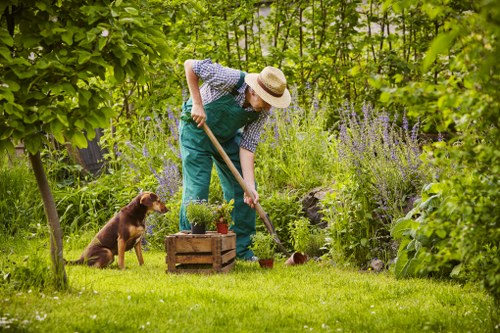
Our gardening services in Kentish Town focus on practical outdoor care for homes, shared properties and small commercial sites that need tidy, workable grounds rather than cosmetic talk. We handle regular garden maintenance, hedge trimming, lawn mowing, garden clearance and related landscaping support, giving you one place to arrange the work your space actually needs. If you are weighing up a one-off tidy-up or a recurring visit pattern, our approach is shaped around clear tasks, neat finishes and sensible preparation.
We keep the service straightforward from the start. That means identifying the areas to be maintained, the surfaces and planting already in place, and any access points or restrictions that may affect the job. Healthy, manageable outdoor space usually depends on consistent care rather than occasional large-scale intervention, so we can support both regular upkeep and more involved clearances when growth, waste or layout have made the garden difficult to use. The aim is always a result that is orderly, usable and appropriate to the property.
To begin, you can request a quotation once you have a clear idea of the work you want carrying out. Some customers need a straightforward mow and trim; others are looking at overgrown borders, mixed green waste, or a broader refresh of the outside space. Either way, we can discuss the scope and help you decide which service combination is the best fit before anything is scheduled.
Garden maintenance for tidy, workable spaces
Garden maintenance is the foundation of most outdoor care, because beds, edges, paths and planted areas quickly look neglected if they are left to build up for too long. Our maintenance work can include weeding, light pruning, edging, leaf clearance and general neatening, always matched to the condition of the garden rather than forced into a rigid template. The purpose is not only appearance; it is also to keep routes open, reduce untidy growth and make routine use of the space easier.
Regular maintenance is useful when you want the outside area to remain presentable without letting jobs stack up. Lawns, borders and hedges all respond differently to attention, so a careful plan matters more than rushing through everything at once. We work with the garden as it is, adjusting to the current condition and the season’s growth rather than pretending every space needs the same treatment. If you are unsure which tasks belong in a maintenance visit, we can discuss them and shape the work around your priorities.
When you are ready, our pricing and quotes information can help you understand the practical factors that often shape the final figure. A good quotation usually reflects access, the amount of growth, disposal needs and the type of work involved, so it is useful to be specific about what you want done. If you prefer to talk it through first, just ask for a quotation in plain terms and we will take it from there.
Lawns, hedges and the details that shape a finished garden

Many garden jobs come down to the detail work that keeps the whole space looking cared for. Lawn mowing, hedge trimming and precise edging each serve a different purpose, and they work best when they are carried out with a view of the whole garden rather than as isolated tasks. A lawn cut too hard, for example, can look sparse; a hedge trimmed without thought may lose shape. We aim for consistent results that support the garden’s long-term appearance.
For lawns, the main considerations are height, condition and whether the grass has been left long enough to need gradual reduction rather than a single severe cut. Hedge trimming can involve maintaining a formal line, reducing the spread of growth or simply keeping access clear around paths and boundaries. Where appropriate, we can also tidy the surrounding area so the work reads as complete rather than partly finished. Clean edges and even lines often make the biggest visual difference.
If the job involves ongoing upkeep, it can be useful to note the areas that matter most to you: front garden visibility, rear garden use, side access, or boundaries that need to stay neat from the outside. A short list like this helps keep the visit focused:
- lawns that need cutting and tidying
- hedges or shrubs that need shaping
- borders with weeds or fallen debris
- paths, edges or entrances that need clearing
Clearance work for overgrown or cluttered outdoor areas
Garden clearance is suited to spaces that have become too crowded, difficult to move through or burdened with mixed green waste and unwanted material. This can be a practical first step before maintenance starts properly, especially where the garden has been left for a long period and the existing layout is hard to see. Clearance work can involve cutting back heavy growth, gathering waste, removing loose organic material and making the site easier to manage afterwards.
Not every clearance is the same. Some need careful separation of reusable material from waste; others are mainly about removing dense vegetation so that light, access and basic structure return to the space. We do not treat clearance as an excuse to strip everything back unnecessarily. Instead, the work should match the condition of the garden and the parts you want to keep. If shrubs, borders or trees are to remain, those areas need a more careful plan than a simple cut-and-cart approach.
For many customers, the sensible next step after clearance is to decide what should happen next: a return to routine maintenance, a more deliberate reshaping of the layout, or specific attention to lawn and hedge work. If you are not sure which order makes sense, you can ask for a quotation and describe the garden as it stands. That gives us enough context to suggest a practical way forward rather than a one-size-fits-all answer.
Landscaping support when the garden needs more than routine care
Some outdoor spaces need more than maintenance, especially where the layout is awkward, the planting is sparse or the hard edges of the garden no longer suit how the property is used. Our landscaping and landscape gardening work is aimed at those situations where the design, structure or finish needs thoughtful adjustment. That may include refreshing tired areas, shaping beds, improving transitions between surfaces or helping the space feel more coherent overall.
Landscape work should be judged carefully, because not every garden needs major changes. In some cases, a modest set of adjustments creates a much better result than starting over. In others, the most useful approach is to combine landscaping with trimming, mowing and clearance so the whole area feels balanced. We can discuss which parts of the garden need structural attention and which parts simply need better upkeep, then shape the job accordingly. Practical changes tend to be the most durable ones.
Typical decisions in this part of the service might include whether the work is mainly restorative, whether particular surfaces or planting areas should be retained, and whether the project is best handled in one phase or in stages. To keep things sensible, it helps to be clear about what must stay, what can change and what outcome you want from the final space. That makes the quotation more accurate and the plan easier to follow.
Planning the work around the garden you already have

Before any gardening work starts, it is useful to understand what the space contains now. A lawn, for example, may need mowing first so other areas can be seen properly; a hedge might need trimming before the ground below is tackled; a clearance job may be the most efficient starting point if access is blocked. We usually consider the order of tasks so that the work builds sensibly rather than creating avoidable rework or mess.
Access, waste volume and the condition of the garden all affect how a job is approached. Narrow side passages, delicate planting, steep steps or damp ground may change the method even when the end goal is simple. That is why a clear description of the garden is helpful, especially if the work involves multiple areas. A well-scoped job is usually easier to quote and easier to complete efficiently, because the essential priorities are already agreed.
If you are preparing to enquire, it is enough to note the main tasks, the rough size of the area and anything unusual that should be taken into account. You do not need to over-prepare, but a concise outline saves time and avoids assumptions. Once the basic details are clear, the next step is simply to request a quotation and let the job be shaped around the actual site conditions.
Hedges, shrubs and boundary growth
Hedge trimming is more than a quick tidy if the garden relies on boundaries for structure, privacy or sightline control. Different hedges respond best to different levels of reduction, and the finished shape matters just as much as the cut itself. Our work can include maintaining straight lines, easing overgrowth, reducing spread where space is tight and keeping boundary planting from intruding into paths, drives or neighbouring areas.
Shrubs and smaller woody planting often benefit from selective trimming rather than hard cutting. This keeps the garden looking considered and avoids removing healthy growth without purpose. Where a hedge or shrub line is becoming uneven, careful shaping can restore balance without making the feature look bare. In gardens where the planting is mixed, we can also help decide which parts should be cut back now and which are better left for a later visit. The emphasis is on control, not over-cutting.
When boundaries are close to buildings, fences or shared access points, the trimming plan needs to respect what surrounds the planting. That can affect the angle of the cut, the amount of clearance needed and the order in which the work is done. If you already know the areas that are most urgent, mention those first; if not, the quotation stage is the right time to separate essential cutting from optional tidy-up.
About Kentish Town

Kentish Town is a district in north London within the London Borough of Camden, lying between Camden Town and Gospel Oak and stretching north from the busy corridor around Kentish Town Road. Its name is long established, though the modern area is shaped by later transport, housing and commercial development. The locality includes a mixture of Victorian and later residential streets, local shops and civic buildings, with the wider setting influenced by nearby Hampstead Heath to the west and the line of the Regent’s Canal a little to the south-east. Kentish Town railway station and Kentish Town West station both contribute to the area’s strong rail identity, while the Underground link at Kentish Town keeps the district closely connected to the wider city. The area’s built character is varied: terraces, converted buildings, mansion blocks and newer infill all appear within a relatively compact urban fabric. That mix gives the district an everyday London feel rather than a single uniform streetscape. Its social and cultural life has also been shaped by music venues, pubs, local schools and community facilities, while the surrounding streets carry traces of the borough’s long residential history. In the broader context of Camden, Kentish Town sits between more commercial routes and quieter side streets, so it has both passing traffic and neighbourhood character. The result is a place that feels urban, established and layered, with familiar local landmarks and routes that many people recognise even if they do not live there. Because of that, the area can be read through its transport connections, residential patterns and the steady change in its buildings over time, rather than through any single defining landmark.
Regular upkeep, seasonal change and keeping standards consistent
Seasonal growth can quickly alter how a garden feels, which is why a maintenance plan often works best when it is based on the actual pace of change in the space rather than a fixed assumption. Spring growth, summer trimming needs and autumn leaf fall each bring different tasks, and winter can reveal structural details that were hidden during the growing season. Our gardening services are designed to adapt to those shifts so the garden remains under control across the year.
In practice, that means paying attention to the order and intensity of the work. A lawn may need mowing and edging more frequently during active growth; a hedge may need a gentle trim to stay within bounds; borders may need clearing after leaf fall or weed growth. Consistency matters because a garden is easier to manage when small tasks are kept under control before they become large ones. The goal is not perfection for its own sake, but a space that feels maintained and usable.
If you are comparing different types of work, it can help to think in terms of outcome: keeping things neat, recovering an overgrown area, or making the garden more manageable for the future. Once that outcome is clear, it becomes easier to decide whether the best route is regular care, a one-off clearance or a more involved landscaping discussion. You can request a quotation at the point where the scope starts to feel clear.
Quotations, scope and what helps the job move smoothly
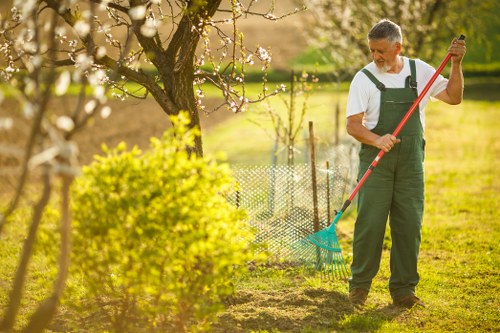
A useful quotation depends on a clear picture of the work, not on guesswork. The main factors are usually the size of the area, the amount of growth or waste involved, access to the garden and whether the job is mainly maintenance, clearance or a wider landscaping task. Where a property has several outdoor zones, it also helps to separate them so the quote reflects the work accurately rather than treating everything as one vague request.
Two simple forms of information usually make the most difference: a brief description of the tasks and an outline of the condition of the garden. If you already know which parts need attention, note them in order of importance. If there is anything awkward about the site — for example, limited access, delicate planting, or a section that should not be disturbed — mention that too. This is enough to support a sensible quotation without turning the enquiry into a long project brief.
For the clearest next step, contact us to request a quotation. If you would like to compare service options first, you can also look at the wider list of our services overview. Either way, the aim is to match the work to the garden properly and keep the process simple from enquiry to completion.