Emergency garden clearance Kentish Town gardeners available
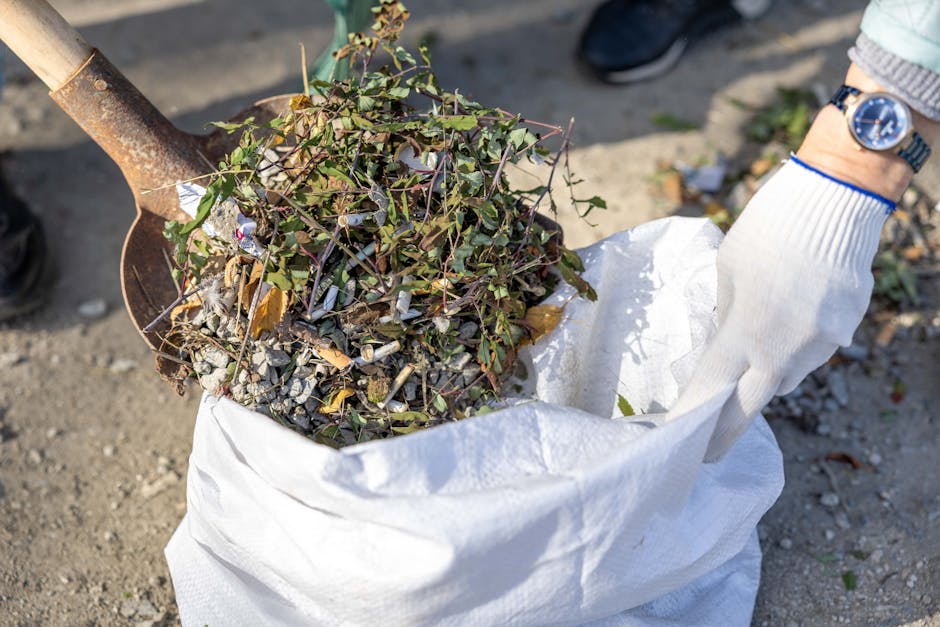
If your garden has gone from "a bit overgrown" to "I need this sorted now," you are not alone. Storm damage, a fallen branch, a sudden tenant move-out, fly-tipped waste, or simply months of backlog can leave an outdoor space unsafe, messy, and hard to use. That is where Emergency garden clearance Kentish Town gardeners available becomes more than a convenience. It is a practical way to restore order quickly, reduce risk, and get your garden back under control without dragging the problem out for weeks.
In a place like Kentish Town, where gardens can be compact, shared, terraced, or tucked behind narrow access paths, speed matters - but so does doing the job properly. This guide explains what emergency clearance involves, how the process usually works, what to expect, and how to choose the right help without rushing into a poor decision. We'll keep it plain-English, practical, and useful. Let's face it, when you need garden clearance urgently, you want answers, not waffle.
Why emergency garden clearance Kentish Town gardeners available Matters
Emergency clearance is not just about making a garden look neat. In many situations, it is about removing immediate problems that can affect safety, access, hygiene, and even neighbour relations. A collapsed fence line with broken timber, a pile of wet branches after heavy weather, or dense bramble growth blocking a side return can turn into a real nuisance fast.
In practical terms, urgent clearance helps reduce trip hazards, opens up walkways, and makes it easier to inspect the garden properly. That matters if you are preparing a property for tenants, dealing with an end-of-tenancy handover, or trying to stop a small issue becoming a bigger one. Overgrown vegetation can hide damaged paving, unstable steps, pests, or standing water. You do not always see the worst of it until the space is opened up.
There is also the simple human side. A garden can feel surprisingly oppressive when it is cluttered. You look out the back window and it just hangs there. Heavy, messy, and unfinished. Clearing it quickly can give you back a bit of breathing room. A small mercy, but a real one.
Expert summary: emergency garden clearance is most valuable when a garden has become unsafe, inaccessible, or time-sensitive. The best results come from fast assessment, clear priorities, and a team that knows how to clear responsibly, not just quickly.
If you want a broader sense of the service range around urgent outdoor work, it can also help to review the wider services overview and the dedicated garden clearance service information.
How emergency garden clearance Kentish Town gardeners available Works
Emergency garden clearance usually starts with a rapid assessment. Sometimes that is done from photos and a short description; sometimes a visit is needed if the access is awkward or the condition of the space is uncertain. The goal is to work out what must be dealt with first. Not everything in an overgrown garden needs the same level of urgency, and a sensible gardener will separate safety issues from general tidy-up work.
A typical urgent clearance might include cutting back overgrowth, removing fallen material, gathering green waste, lifting loose debris, bagging or loading waste, and making the space safe enough for the next stage. If there are heavier items, awkward access, or mixed waste, the team may need to sequence the work carefully. That sounds obvious, but it is often where rushed jobs go wrong.
To be fair, emergency work is not magic. If a garden has years of build-up, it may take more than one visit to get it fully sorted. But a good first response should restore control, create access, and remove the worst hazards. You should see a clear difference pretty quickly, often within the same day if the issue is straightforward.
For situations where the garden has suffered repeated neglect, you may also need follow-up services afterwards, such as garden maintenance, lawn mowing, or hedge trimming. The emergency visit clears the immediate mess; the follow-up prevents it from happening again two weeks later. That is the sensible bit, really.
Key Benefits and Practical Advantages
The main benefit is speed, but there is more to it than that. Emergency clearance can stop a garden from becoming a safety issue, help restore access to bins, sheds, or entrances, and prepare the space for inspection, repair, or resale. If a tenant has moved out and left the outside area in a poor state, speed can be the difference between a calm handover and a stressful one.
Another major advantage is reducing damage. Overgrown plants, trapped moisture, and heavy debris can conceal issues that worsen if left alone. A fast clearance gives you a proper look at what is going on. Sometimes you discover that the problem is mostly surface-level. Sometimes, less pleasantly, you find rot, broken edging, or a tree branch leaning in the wrong direction. Better to know sooner.
There is also a practical scheduling benefit. Urgent clearance lets you move on to landscaping, replanting, repair, or just normal use of the space. If you are planning broader improvements, it can dovetail neatly with landscape gardening, landscaping, or even structural work like decking services later on.
- Safety: reduces trip hazards, blocked access, and hidden obstacles.
- Speed: gets the worst of the problem handled quickly.
- Clarity: reveals underlying damage or drainage issues.
- Preparedness: makes follow-on work easier and more accurate.
- Peace of mind: restores control when the space feels unmanageable.
Who This Is For and When It Makes Sense
Emergency garden clearance is not just for dramatic situations. It is for anyone who needs rapid, reliable help with an outdoor area that has become hard to manage. Homeowners often use it after a storm, after a long holiday, or when a move is suddenly on the horizon. Landlords and letting agents may need it between tenancies. Businesses with rear access yards, small courtyards, or communal planting areas sometimes need a quick reset after a bad weather spell or an accumulation of waste.
It also makes sense if you are dealing with neighbours on shared boundaries. An overgrown hedge, bramble, or self-seeded growth spilling over a fence can become a problem quickly, especially where space is tight. In Kentish Town, that is a fairly common story - small gardens, close living, and limited storage make clutter build up faster than people expect.
Another group that benefits is anyone who physically cannot tackle the work safely. Heavy lifting, thorny cutbacks, damp waste, and awkward access can be a bad mix. If you have a time-sensitive deadline and know the job is beyond a quick DIY session, bringing in help is simply the safer call. No shame in that. None at all.
If you are unsure whether your job is "emergency" or simply overdue, a useful rule of thumb is this: if the garden is blocking access, creating hazard, causing stress, or needs handling before a deadline, it probably qualifies as urgent enough to seek fast support.
Step-by-Step Guidance
Here is a straightforward way to approach emergency garden clearance without overcomplicating it.
- Identify the urgent issues. Decide what needs attention first: access, safety, waste, broken branches, or overgrowth.
- Take a few clear photos. Wide shots and close-ups help explain the scale and type of work. In a dark corner on a wet morning, details matter more than you think.
- List any access challenges. Narrow gates, rear alley access, communal entrances, or parking limits can affect how the work is planned.
- Note any hazards. Sharp debris, unstable walls, hidden glass, exposed roots, or standing water should be mentioned.
- Ask what is included. Check whether waste removal, loading, sweeping, and light tidying are part of the job.
- Agree the priority order. The best teams will deal with safety first and cosmetic work second.
- Set expectations for disposal. Green waste, mixed waste, and bulky items may be handled differently, so be clear from the start.
- Plan for follow-up. Once the emergency is cleared, decide whether you need maintenance or a longer-term tidy-up schedule.
A small but useful detail: try to clear access to the garden before the team arrives if you can. Move bins, unlock gates, and put pets indoors. It saves time, and a ten-minute prep can make the whole job feel calmer. A little boring, but it works.
Expert Tips for Better Results
One of the most useful things you can do is separate the urgent from the non-urgent. Not every plant needs to be cut to the ground. Not every item in the garden needs immediate removal. If you try to do everything at once, the job becomes slower and more expensive. Focus first on access, hazards, and waste.
It also helps to think in layers. First layer: clear. Second layer: inspect. Third layer: improve. That sequence often gives better results than jumping straight into a full redesign. For instance, after removing debris, you may realise the hedge is the real problem, or the lawn has simply been smothered and now needs care rather than replacement. Then you can bring in specialist work such as tree lopping and removal if there are larger woody structures that need safe handling.
Another tip: communicate the desired end state plainly. "I need access to the back gate," or "I need the garden presentable for viewings tomorrow." That kind of instruction helps more than vague wording. And yes, it saves everyone a bit of back-and-forth. Which, on a stressful day, is welcome.
If sustainability matters to you, ask how the waste will be sorted. A responsible team should be able to explain how green waste and mixed debris are managed. You can also explore the site's approach to recycling and sustainability if you want your clearance to align with better disposal habits.
Common Mistakes to Avoid
The biggest mistake is waiting too long. A garden that is a "bit of an eyesore" today can become a blocked, unsafe, or pest-friendly problem in a matter of days if weather turns bad. That sounds dramatic, but it happens all the time.
Another common slip is asking for a tidy-up when what you actually need is proper clearance. They are not the same. A tidy-up is lighter work. An emergency clearance usually means heavy cutting back, waste removal, and making the space safe and usable again. Mixing the two can lead to disappointment, and nobody enjoys that after the job is done.
People also underestimate access. A garden can look manageable from the back door and then turn out to be awkward because the only route is through a tight side passage, down steps, or across a shared area. If access is tight, say so early. It changes the whole plan.
- Do not assume the team can remove everything without checking waste type.
- Do not hide access issues or locked gates until the day of the job.
- Do not leave fragile items or pets in the work area.
- Do not expect a major clearance to be the same as simple lawn cutting.
- Do not skip follow-up care if the garden has been neglected for a long time.
Tools, Resources and Recommendations
Emergency garden clearance usually needs more than just a pair of shears. Depending on the job, the work may involve secateurs, loppers, pruning saws, rakes, heavy-duty sacks, wheelbarrows, tarps, blowers, and sometimes specialist cutting or loading equipment. The point is not to use impressive tools for the sake of it. The point is to clear safely, efficiently, and without turning your garden into a bigger mess.
If the garden includes old timber, collapsed fencing, or damaged hardscape features, the team may also need to coordinate with related services. A broken edge or loose structure can affect how clearance is carried out, especially where there is a risk of further damage. In some cases, a quick visual check first is the difference between a neat one-visit job and a job that needs careful staging.
For homeowners who want a broader reset after the urgent phase, it can be useful to look at the rest of the available services, including garden maintenance, lawn mowing, and hedge trimming. Those are often the natural next steps once the clutter is gone.
Practical recommendation: keep a few "before" photos for your own records. They help you compare progress, explain the scope later, and decide what follow-on work is actually needed. Simple, but surprisingly handy.
Law, Compliance, Standards, or Best Practice
Any garden clearance job should be approached with proper care for safety, waste handling, and neighbourly access. In the UK, there are general expectations around responsible waste disposal and safe working practices, even if not every job requires anything formal from the customer. A professional service should be mindful of manual handling, sharp objects, trip hazards, and the safe loading of waste.
If the job involves trees, substantial branches, or unstable growth, extra caution is sensible. Cutting or removing larger material without a proper assessment can be risky. That is one reason why experienced gardeners often slow down just enough to check the structure before cutting. The aim is to avoid preventable damage or injury, not to race the clock like it is a demolition contest.
Insurance matters too. If work is being done near a fence, shed, glass feature, or shared boundary, you want confidence that the team is working carefully and responsibly. The site's insurance and safety information is a useful reference point for understanding how a professional approach should be framed.
On the customer side, it helps to be transparent about ownership boundaries and access rights, especially in shared gardens or rented properties. If you are arranging work on behalf of tenants or a landlord, make sure everyone is aligned. That avoids awkward disputes later. A bit of admin now saves a headache later, every time.
You may also want to review the company's approach to health and safety if you are concerned about how urgent work is handled, especially where there is debris, height, or restricted access involved.
Options, Methods, or Comparison Table
Not every urgent garden problem needs the same response. Some jobs are best handled as a single clearance visit. Others work better as a clearance plus follow-up maintenance or landscaping. Here is a simple comparison to help you think it through.
| Approach | Best for | What it usually includes | Typical outcome |
|---|---|---|---|
| Emergency clearance only | Blocked access, storm debris, immediate hazards | Cutback, debris removal, loading, sweep-up | Garden becomes safe and usable fast |
| Clearance plus maintenance | Neglected gardens that need ongoing control | Clearance, mowing, hedge work, light upkeep | Cleaner space with a plan to keep it that way |
| Clearance plus landscaping | Gardens needing a fuller reset | Clearance, reworking layout, soil or feature improvements | Longer-term improvement rather than just a tidy finish |
| Clearance plus tree work | Large branches, unsafe canopies, heavy woody growth | Assessment, pruning or removal, waste handling | Safer structure and better light/access |
In practice, most people start with the first option and then move into the second or third once the immediate mess is gone. That sequencing is usually more efficient than trying to do the whole lot in one rush, especially if the garden has been left for months.
Case Study or Real-World Example
Picture a small rear garden in Kentish Town after a windy week. A few branches have come down, the lawn is buried under leaf litter, and the side access is partly blocked by cuttings from a previous DIY attempt. It is not catastrophic, but it has become awkward enough that bins cannot be moved properly and the back area feels unusable.
In a case like that, the sensible approach is straightforward. First, clear the access route. Second, remove the fallen material and loose debris. Third, cut back the overgrowth that is pushing into walkways. Fourth, check whether the hedge or any tree element needs a separate pass because of weight or shape. After that, the space can be swept through, and the owner can decide whether to book maintenance or leave it as a one-off clean-up.
What tends to surprise people is how much lighter the garden feels after the first pass. The noise changes too. Instead of rustling, scraping branches and clutter underfoot, you hear the ordinary sounds again - birds, wind, footsteps on paving. It sounds a bit poetic, maybe, but it is true. The garden breathes differently once the mess is gone.
If that same garden had also been hosting neglected plant growth around boundary lines, a longer-term plan might involve regular garden maintenance or tidy pruning work, so the emergency clear-out does not become a repeat problem.
Practical Checklist
Use this checklist before booking urgent help or preparing for a visit.
- Identify the main problem: safety, access, debris, overgrowth, or all of the above.
- Take clear photos from several angles.
- Note any locked gates, narrow passages, or parking restrictions.
- Flag obvious hazards such as broken glass, sharp metal, or unstable branches.
- Tell the gardener what must stay and what can go.
- Ask whether waste removal is included.
- Decide whether you want a one-off clearance or a clearance plus follow-up care.
- Keep pets and children away from the work area.
- Move any fragile pots, furniture, or personal items out of the way.
- Confirm the preferred outcome: safe access, presentable garden, or full reset.
If you are getting the space ready for a sale, tenancy check, or family visit, it is worth thinking one step ahead. What will the garden need after the clearance? A quick mow, hedge trim, or small landscaping adjustment can make all the difference.
Conclusion
Emergency garden clearance is about more than removing mess. It is about regaining control of a space that has become unsafe, blocked, or simply too much to handle on your own. In Kentish Town, where gardens are often compact and access can be tricky, the best results come from quick action, clear priorities, and a proper understanding of what the job really involves.
Whether you are dealing with storm debris, a neglected outdoor area, or a deadline that has suddenly become very real, the smart move is to sort the urgent problem first and then plan the next step calmly. That might be maintenance, tree work, or a broader redesign. One thing at a time. It is usually enough.
Get a free quote today and see how much you can save.
If you are comparing providers, learn more about the team behind the service on the about us page, or use the contact us page when you are ready to discuss the job. For pricing guidance, the pricing and quotes page can also be helpful.
And if you care about how your waste is managed, it is worth reading the notes on recycling and sustainability. A cleared garden feels better when you know it has been handled responsibly. That bit matters.
Frequently Asked Questions
What counts as an emergency garden clearance?
An emergency garden clearance is any urgent outdoor clean-up where the space has become unsafe, blocked, or needs handling before a deadline. Common examples include storm debris, fallen branches, blocked access paths, or heavily overgrown areas that cannot wait for a normal booking.
How fast can emergency garden clearance usually happen in Kentish Town?
It depends on the size of the job, access, and current availability. Smaller clearance jobs may be handled quickly, sometimes on the same day or next available slot, while larger or more complex work may need a proper visit first. Photos help speed things up.
What should I tell the gardener before they arrive?
Give a short summary of the problem, plus access details, hazards, and any items that need to stay. It is also helpful to mention whether the garden is shared, whether parking is tricky, and whether waste removal is needed. Clear information makes urgent work much smoother.
Does emergency clearance include waste removal?
It often does, but not every job is the same, so it is sensible to confirm this in advance. Green waste, mixed waste, and bulky items may be handled differently depending on the job. Ask what is included so there are no awkward surprises later.
Can overgrown hedges and trees be dealt with during an emergency visit?
Yes, if they are part of the immediate issue and it is safe to do so. Light to moderate hedge trimming and cutback work may be included, but larger tree-related hazards may need more careful assessment or separate attention through tree work services.
Is emergency garden clearance only for private homes?
No. It can also be useful for landlords, letting agents, shops with rear yards, communal spaces, and properties being prepared for sale or inspection. Any space where urgent access or safety matters can benefit from a fast response.
What if my garden is too overgrown to see what is underneath?
That is quite common. A good team will usually start by clearing enough to inspect the area safely, then work through the rest in stages. Sometimes the first pass reveals broken paving, hidden rubbish, or damaged edging that was impossible to spot before.
Should I choose clearance, maintenance, or landscaping?
If the garden is unsafe or blocked, start with clearance. If the main issue is recurring overgrowth, maintenance is the better next step. If you want to reshape the space or make lasting improvements, landscaping may be the right follow-on. Often, the best answer is a combination.
How do I know if a garden job is too risky for DIY?
If there are sharp objects, unstable branches, heavy waste, poor access, or anything that could cause a fall or injury, it is probably best left to professionals. A quick tidy might be fine on a normal weekend, but emergency work is different. Be honest about the risk.
Will emergency clearance damage my lawn or plants?
A careful team should work around anything that needs to stay. That said, in a heavily overgrown garden, some surface disturbance can happen simply because the area needs to be reached and cleared. The aim is always to reduce damage, not create more. It is worth pointing out valuable plants before work starts.
What happens after the emergency clearance is finished?
Once the immediate problem is handled, most people decide whether they want follow-up work such as lawn mowing, hedge trimming, maintenance, or more detailed landscaping. That next stage is where the garden starts to settle into a better routine again. And honestly, that is usually the most satisfying part.
How do I get a quote for urgent garden clearance?
The quickest route is to provide a clear description, a few photos, and your access details. If the job sounds straightforward, you may get a prompt estimate. For more involved work, a site visit might be needed to give an accurate figure. The best quotes are the ones based on real conditions, not guesses.
What if I need to discuss safety or policy details before booking?
That is perfectly reasonable. You can review relevant information such as health and safety policy, insurance and safety, and the company's complaints procedure. A trustworthy service should be comfortable with those questions.
Can emergency garden clearance be followed by regular upkeep?
Yes, and that is often the best long-term approach. Once the urgent work is done, regular upkeep helps prevent the same problem from building up again. Many people move from a clearance visit into scheduled maintenance because it keeps the garden manageable without the drama.
A garden that feels overwhelming today can feel workable again sooner than you think. Start with the worst of it, take the pressure off, and let the rest fall into place.